practical guide
How to Allocate a Small Lot Release Across Your Club Tiers
Cases available, tier ranking, pro rata math, wait lists, offer windows, and the release of unclaimed bottles. A working method for splitting a small lot across a club without losing the list.


Start from the bottling: what is actually available after trade and library holds
Small lot releases start at the bottling line, but the number of cases available for club members is never the total produced. Even with a run of only a few barrels, some wine goes to the trade, some stays in the library, and some may be promised to long-term partners or events. Before starting any allocation math, count what remains after these pulls.
List out the trade commitments first. These often go to local restaurants, wine shops, or wholesale partners who rely on your small batch for their own programs. Next, set aside bottles for your library. Most wineries keep a case or two of each lot for future tastings, vertical events, or winemaker reference. Only after subtracting these numbers do you have your true club allocation pool.
Even after these adjustments, expect real shrinkage. Breakage, bottling line losses, or last-minute changes can chip away at the final count. Always round down when calculating available stock. It is better to have a bottle or two left over than to come up short when club packs are being packed.
Keep reading: The DTC Compliance File Every Winery Shipper Must Keep
Ranking rules that hold up: tenure, tier, spend, and pickup history
Once you know how many bottles you can offer, the next step is ranking club members. Most wineries use a blend of tenure, club tier, annual spend, and pickup reliability to set the pecking order. Each method has its place, and the right mix depends on your club's culture and promises.
Tenure and loyalty
Length of membership is the simplest ranking method. Long-time members expect first shot at rare bottles, especially if you have a published loyalty policy. Some wineries keep a formal list, moving members up as they hit anniversaries, while others use join date as a tiebreaker.
Tier and spend
Most clubs offer multiple tiers, such as three bottles per shipment, six bottles, or full case. Higher tiers usually pay more per year and often assume they will receive priority for allocations. Some wineries blend tier with total spend, rewarding members who buy extra bottles or attend paid events throughout the year.
Pickup versus ship
Members who reliably pick up on time are less risky for a small allocation. If storage is tight or uncollected wine causes problems, consider bumping up members who always clear their orders quickly. This can be tracked in your club system or by pull sheets at the tasting room.
Blending these factors helps you defend your allocation logic if questioned. Publish the rules in advance if possible, or at least keep them consistent release to release.
Pro rata splits versus fixed bottle counts per tier
With your ranking in place, divide the available wine among members. The two main methods are pro rata splits and fixed bottle counts by tier. Each has tradeoffs in perception and simplicity.
Pro rata allocation
In a pro rata split, you divide the total member allocation pool in proportion to the size of each club tier. Suppose you have 120 bottles and three tiers: twelve-case, six-bottle, and three-bottle. If twelve-case members make up 20 percent of your club, they might receive a fifth of the release, and so on down the line.
This method feels fair to most members, but it can get complicated if tiers are unevenly sized or if minimum shipment rules apply. For very small lots, the math sometimes means partial bottles, which must be rounded down.
Fixed count per tier
A simpler approach is to assign a fixed number of bottles to each tier. For example, twelve-bottle members can buy up to six, six-bottle members up to three, and three-bottle members up to one. This lets you set expectations ahead of time and can simplify the communication.
The downside is that larger tier members may feel under-served if lots are especially small. Fixing the count works best when every shipment has at least one bottle for every member, and when your club tiers are clearly defined.
Hybrid models are also possible: assign a base count per tier, then distribute leftovers by tenure or spend. Just remember to cap allocations so that no single member captures a disproportionate share and others are left with nothing.
Keep reading: The Checklist to Work Through Before You Bill a Club Run
Wait lists, partial allocations, and how to word a short offer
No allocation system keeps everyone happy. When the number of requests exceeds the wine available, some members will land on a wait list, or receive fewer bottles than they asked for. Clear communication can prevent confusion, and a respectful offer note goes a long way.
Managing the wait list
After the initial allocation round, some members will inevitably miss out. Keep a wait list for these requests, and make sure the rules for moving up are transparent. Some wineries use the wait list to reward members who respond quickly, while others stick to tenure or spend.
If you have only a handful of extra bottles, consider a random draw or a first-come, first-served policy for the wait list. Communicate the process in advance to manage expectations.
Crafting the offer
When notifying members of a small lot release, keep the offer short and direct. Thank them for their loyalty, state the allocation (e.g., "You are eligible for two bottles of our new Pinot Noir"), and make it clear if this is a maximum or a guaranteed allocation.
If the offer is a partial allocation, acknowledge the demand: "Due to limited production, we are able to offer each [tier] member up to [number] bottles." For those on the wait list, explain the process: "If additional bottles become available, we will contact you in order of request."
Clarity and brevity reduce follow-up calls and emails. Avoid ambiguous language and be specific about next steps.
Setting the response window and the reminder cadence
A short, clear response window is critical for a small lot release. Most wineries set a window between three days and two weeks, depending on the size of the club and the urgency of the release.
A narrow window creates focus and moves inventory quickly. For extremely limited lots, three to five days is common. With more available, or for bigger clubs, a week gives people time to respond without waiting too long.
Reminders and follow-up
Reminders are best sent halfway through the offer window, then one more time on the day before it closes. Keep reminder emails short and to the point: restate the allocation, the response deadline, and how to claim the wine.
If you allow phone or in-person pickups, remind staff to mention the offer during tastings. A quick note on the register or a staff script can help capture responses from walk-in members.
After the window closes, send a thank you to everyone who responded, and a brief note to those who missed out. This preserves goodwill and sets up the next round of offers for unclaimed bottles.
See how CellarShip handles this for wineries
Releasing unclaimed bottles without insulting the people who waited
No matter how carefully you plan, some allocated bottles will go unclaimed. Members may forget to respond, decline the offer, or be unable to purchase at the time. Once your response window closes, it is time to decide who gets a second chance.
First, always honor the wait list if you have one. Notify these members promptly and give them a short window to accept. Explain that these bottles became available because others did not claim their allocation, not because you changed the rules.
If demand is still high after the wait list, consider a lottery or an additional round of allocations based on prior ranking. Random draws work best when the number of extra bottles is very small and there is no clear next-in-line.
Communicate clearly throughout. Thank everyone for their patience, and avoid language that pits members against each other. Acknowledge the disappointment of those who missed out, and remind them when the next special release is expected.
Above all, avoid offering unclaimed bottles to the general public before exhausting the club. The fastest way to lose trust is to have a member see a "sold out" wine on your tasting room shelf a week after being told it was gone.
Reserving inventory so the allocation survives a busy tasting room weekend
Small lots are especially vulnerable to accidental sale in the tasting room. Without a system, bottles meant for club allocation can slip out the door to retail customers or staff before the club has had a chance to respond.
To prevent this, label or physically separate the allocation stock as soon as the club offer goes out. Use color-coded stickers, a dedicated shelf, or a locked cabinet. Make sure all staff understand which bottles are reserved and for how long.
For wineries using a point-of-sale system, set up a special SKU or inventory hold so these bottles cannot be sold by mistake. Double-check that inventory counts match your allocation math, especially after a busy weekend.
If you operate multiple tasting rooms, coordinate inventory across locations. Assign a staff member to check that each site has only the bottles they are authorized to sell. Regular communication between tasting room managers helps prevent slip-ups.
Once the club window closes, update staff on which bottles are no longer reserved. If any bottles remain unsold, you can release them to the general public with confidence that every club member had a fair shot.
Recording who received what, so the next release is easier
Keeping accurate records after a small lot release makes future allocations much simpler. Track which members received bottles, how many, and whether they responded on time. This history can help you refine your ranking rules for the next release and spot patterns in member engagement.
Use a spreadsheet or club management software to record each transaction. Include notes on wait list placements, unclaimed allocations, and any special requests or issues that came up during the process. This information is invaluable for resolving disputes or questions in future releases.
Review your records after each allocation round. If certain members consistently miss deadlines, consider reaching out to them directly before the next release. If a segment of your club always takes the maximum, you may want to adjust future pro rata splits or tier rules.
Accurate data also helps when compliance questions arise, especially for interstate shipments or controlled varieties. Being able to prove who received what, and when, keeps your operation in good standing with both members and regulators.
Club management tools that handle allocation tracking, member requests, and state-by-state rules can cut this busywork. With a system that manages shipment holds, compliance checks, and detailed member records, you gain more time to focus on the next great release.
Read also

The DTC Compliance File Every Winery Shipper Must Keep
Federal permit, state direct shipper licenses, label registrations, volume caps, and tax returns. A plain walkthrough of the paperwork a winery must hold before a club box crosses a state line.

The Checklist to Work Through Before You Bill a Club Run
The order of operations for a clean club run: lock the wine, check compliance by state, update cards, validate addresses, honor holds, then bill. Work it from the top every single cycle.
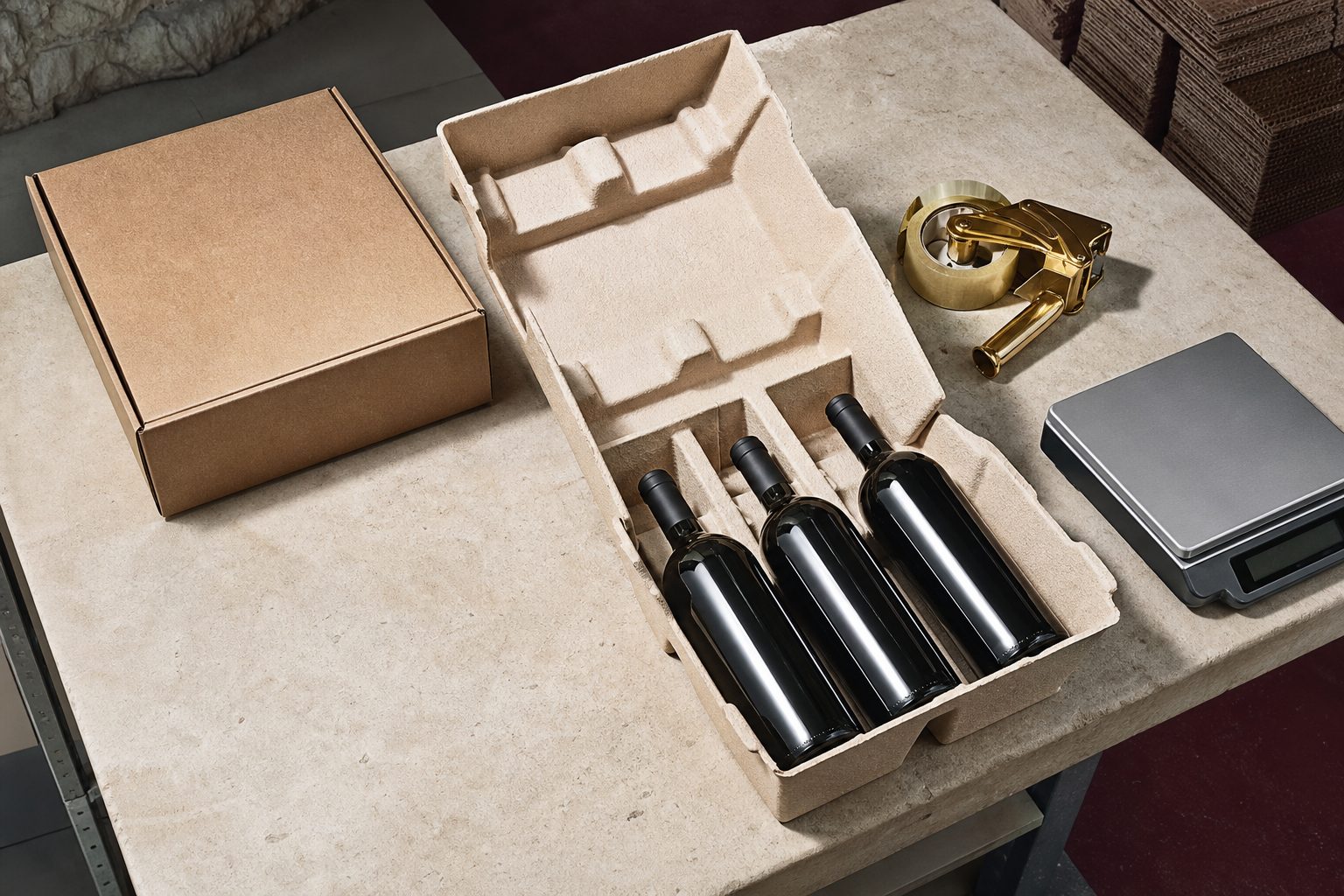
What a Three-Bottle Club Shipment Costs to Pack and Ship
Shipper, insert, freight zone, residential surcharge, adult signature, pick and pack, card fees, and reships. How to build a cost per box figure you can actually defend to a partner.