case study
How One Winery Rebuilt Its Summer Club Shipping Window
A July heat wave, a weekend spent in a hot trailer, and a run of cooked bottles. How one estate rebuilt its ship days, its hold triggers, and its member notices before the next summer run.

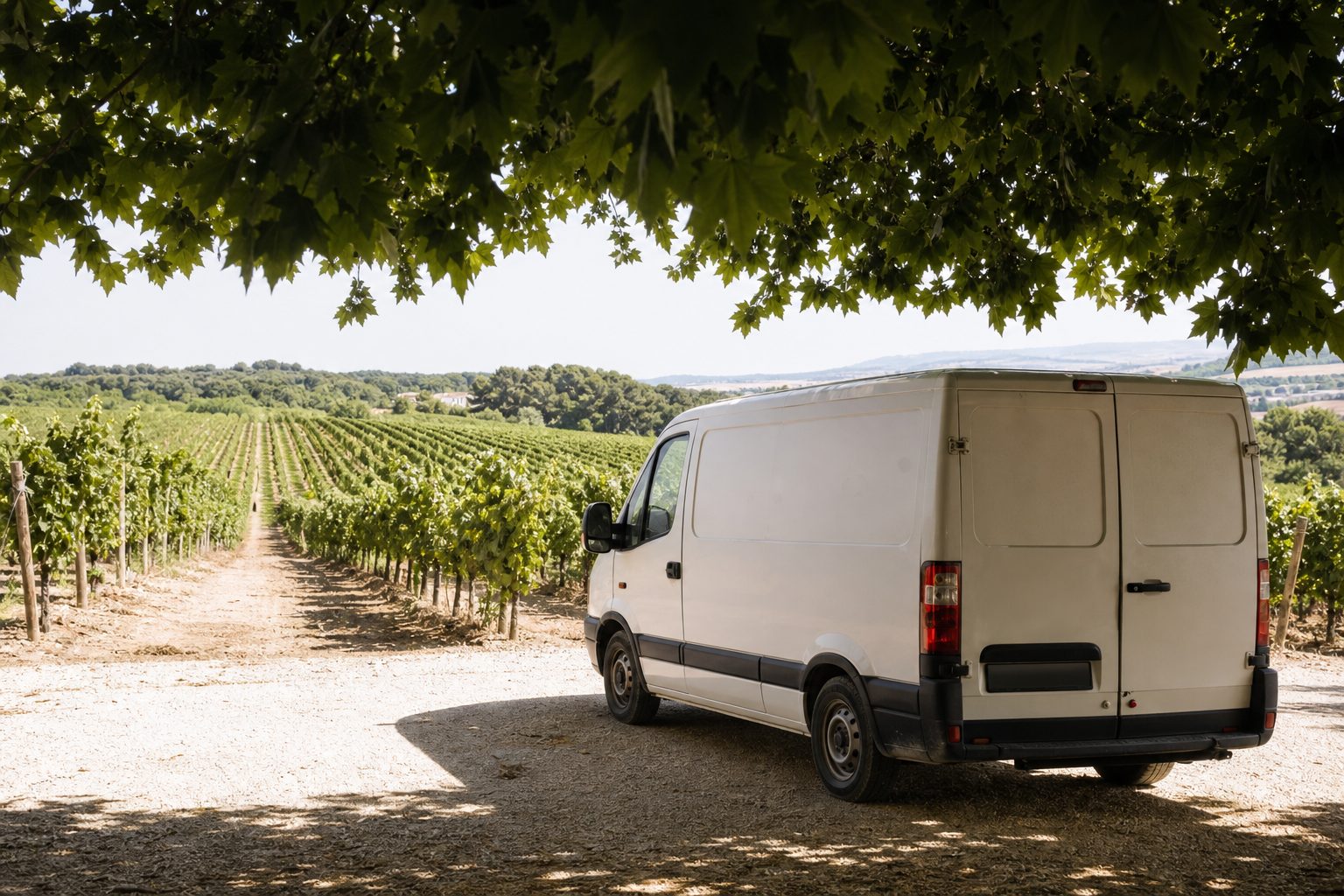
The problem: August boxes sitting in a hot trailer over a weekend
Last July, West Creek Vineyards, a family-owned winery in the Central Valley, watched their summer club shipment stumble into disaster. A heat dome settled over the region. Their August release, packed and labeled on schedule, left the fulfillment house on a Thursday. By Saturday, tracking stopped. The cases sat in a carrier's regional terminal, waiting out the weekend in a metal trailer, midday highs breaking a hundred and ten degrees. By the time the shipments resumed moving, half the boxes had cooked bottles, pushed corks, seepage, and ruined wine.
Members reported sticky cardboard and off aromas. Within ten days, eighty percent of recipients had called in with complaints or refund requests. Four different states were affected, and the loss was not just in product. The club's reputation took a hit. The reship cost, with expedited service and cold packs, left the summer run three thousand dollars over budget. The team knew they had to change the way they handled summer shipping for good.
Keep reading: DTC Wine Shipping in the Next Five Years: What to Watch
Reading carrier transit maps before choosing a ship day
Before this incident, West Creek simply shipped as soon as club boxes were ready. They relied on the carrier's standard service estimates, assuming three days to the West Coast, five days to the Midwest, and up to a week to the East. They discovered, too late, that these estimates did not always match reality, especially in heat waves or during regional backlogs.
After the heat damage, the winery started digging into carrier-provided transit maps. These color-coded charts show actual delivery windows by zip code, not just state. They learned that a Thursday shipment to Texas could mean four days in transit, with a high chance of weekend layover. Shipments to Florida, even with two-day service, still sometimes lingered at a sorting hub over a Saturday or Sunday.
West Creek shifted its default ship day to Mondays or Tuesdays. This ensured club boxes spent the fewest possible nights in transit and lowered the risk of a weekend stall. They also earmarked zip codes with known delays, creating exceptions for members in those areas. The shipping coordinator printed out updated transit maps every spring, marking trouble spots for the team.
Setting a temperature trigger and naming who makes the hold call
Ship day timing alone was not enough. West Creek started tracking forecasted highs along major shipping corridors and in destination cities. They debated how hot was too hot. Some states might see a string of ninety-degree days in June or September, not just in August. They needed a way to trigger a shipping hold based on real weather, not just the calendar.
Choosing the trigger
The team settled on a rule: If the forecast in any destination zip code showed highs above ninety-five degrees during the shipment week, the coordinator would put a hold on those boxes. They used a combination of weather websites and the carrier's own tools to check daily. The policy covered the entire route, not just the origin or destination. If temperatures spiked anywhere the box would travel, the hold was triggered.
Naming responsibility
They also named one staff member as the "hold decision maker." Previously, the tasting room lead, the winemaker, or the club manager might each weigh in. Now, the shipping coordinator had the authority and responsibility to make the call. This ended confusion about whether to wait or go ahead. The team logged every hold decision and the weather data that prompted it, making it easy to track how often holds happened and why.
Keep reading: How to Allocate a Small Lot Release Across Your Club Tiers
Rewriting the member notice so a hold reads as care, not a delay
After the summer mishap, West Creek's first round of hold notices sounded apologetic. Members read "shipping delayed due to heat," and some took it as poor planning. The staff fielded emails asking why there was no warning or why the wine was being held at all.
The winery decided to overhaul its member communication. They rewrote the hold email to explain the risks of heat damage in ordinary terms. Instead of focusing on delay, they emphasized quality and stewardship. The new message opened with, "We care about your wines arriving in perfect condition, so we are watching the summer temperatures closely." It described how shipping in extreme heat could spoil the wine and why a short wait was worth it.
They added a short FAQ section: How long will the hold last? What if I need my wine sooner? What happens if the weather stays hot for weeks? The notice encouraged members to contact the winery with special requests, and it reassured recipients that the team was monitoring weather daily. The feedback improved. Most members appreciated the concern for quality. A few even sent thank-you notes.
Cold packs, insulated liners, and what they genuinely do
Many wineries reach for cold packs and insulated shippers as a first fix. West Creek's staff had used them in the past but wanted to understand their real limits. They tested a few packaging options before the next summer run.
Cold packs
Cold packs can keep bottles cool for a day or two, but not for the duration of a long ground shipment in hot weather. If a package sits in a trailer over a weekend, even the best cold pack loses its chill. The winery found that cold packs work best for overnight or two-day air shipments, and for club members in nearby states. For longer journeys, cold packs slow but do not prevent heat damage.
Insulated liners
Insulated liners, made from foam or reflective materials, do help buffer the wine from short-term temperature swings. They can add hours of protection during a hot afternoon on a delivery truck. However, they cannot keep wine cool indefinitely. If the outside temperature stays above ninety degrees for a day or more, the liner's benefit drops off. West Creek decided to use liners only when the forecast called for brief spikes or for the last mile in urban heat islands.
For routine shipments during high-risk months, the winery concluded that neither cold packs nor liners could replace holding shipments for better weather. The team reserved these tools for special requests or when expedited service was possible.
See how CellarShip handles this for wineries
Moving the summer shipment into a shoulder month
The most effective change was timing. West Creek reviewed five years of temperature data and found that late May and early October usually offered safer shipping windows. In June through September, the risk of sustained high heat was much greater. The club team decided to move the main summer release forward by two weeks, aiming for late spring, and to schedule the fall run for early October.
They communicated the new schedule in their spring newsletter, highlighting the reasons for the shift. By setting clear expectations months in advance, they cut down on surprise and pushback. Members who preferred the old timing could opt to hold or split their shipments, but most accepted the change. The new calendar also helped the winery avoid the Labor Day bottleneck, when carriers are often overloaded.
Handling members who insist on shipping anyway
Not every club member was happy to wait. Some lived in hot regions but wanted their wine for events or gifts. Others disliked rescheduling. West Creek created a protocol for handling these requests. When a member insisted on immediate shipping, the winery required an explicit email confirmation acknowledging the risks of heat damage. They offered to add cold packs and insulated liners but explained the limits of those solutions.
In the case of a loss, the staff clarified that replacements or refunds might not be available if the member chose to override the hold. This policy was spelled out in the shipping FAQ and reiterated by staff when handling special requests. Fewer than one in twenty members pushed to ship during a hold, but those who did understood the trade-offs. The clear documentation protected the winery and set fair expectations for all parties.
What the change did to the fall run and the reship budget
The new shipping protocol paid off in the next cycle. When late August brought another round of heat advisories, West Creek held back outbound boxes for two weeks. The staff tracked the backlog and communicated with members at every step. When temperatures dropped, the team shipped in batches, using updated transit maps and weather checks to avoid problem routes.
Refund and reship requests fell to their lowest level in years. The fall club run, which had previously started with a wave of damage claims, went smoothly. The reship budget, which had ballooned the prior summer, returned to normal. Fewer club members called to complain about timing, and more praised the winery's attention to quality.
By breaking their shipping season into smaller, weather-driven windows, West Creek gained control over a problem that had once led to lost product and goodwill. Their process depended on clear rules, careful record keeping, and strong communication with club members. For wineries managing similar challenges, using a club management system with shipment allocation, hold requests, and per state compliance checks can make the process more reliable and less stressful for everyone involved.
Read also

DTC Wine Shipping in the Next Five Years: What to Watch
State direct shipping bills, retailer shipping litigation, carrier surcharges, and a generation drinking less. What a small winery should decide this year and what it can safely leave alone.

How to Allocate a Small Lot Release Across Your Club Tiers
Cases available, tier ranking, pro rata math, wait lists, offer windows, and the release of unclaimed bottles. A working method for splitting a small lot across a club without losing the list.

The DTC Compliance File Every Winery Shipper Must Keep
Federal permit, state direct shipper licenses, label registrations, volume caps, and tax returns. A plain walkthrough of the paperwork a winery must hold before a club box crosses a state line.