comparison
Fixed Selection, Member Choice, or Credit: Club Models Compared
Fixed selection, member choice, credit on account, and allocation lists each shift work between your cellar, your tasting room, and your fulfillment desk. Here is where each one costs you.

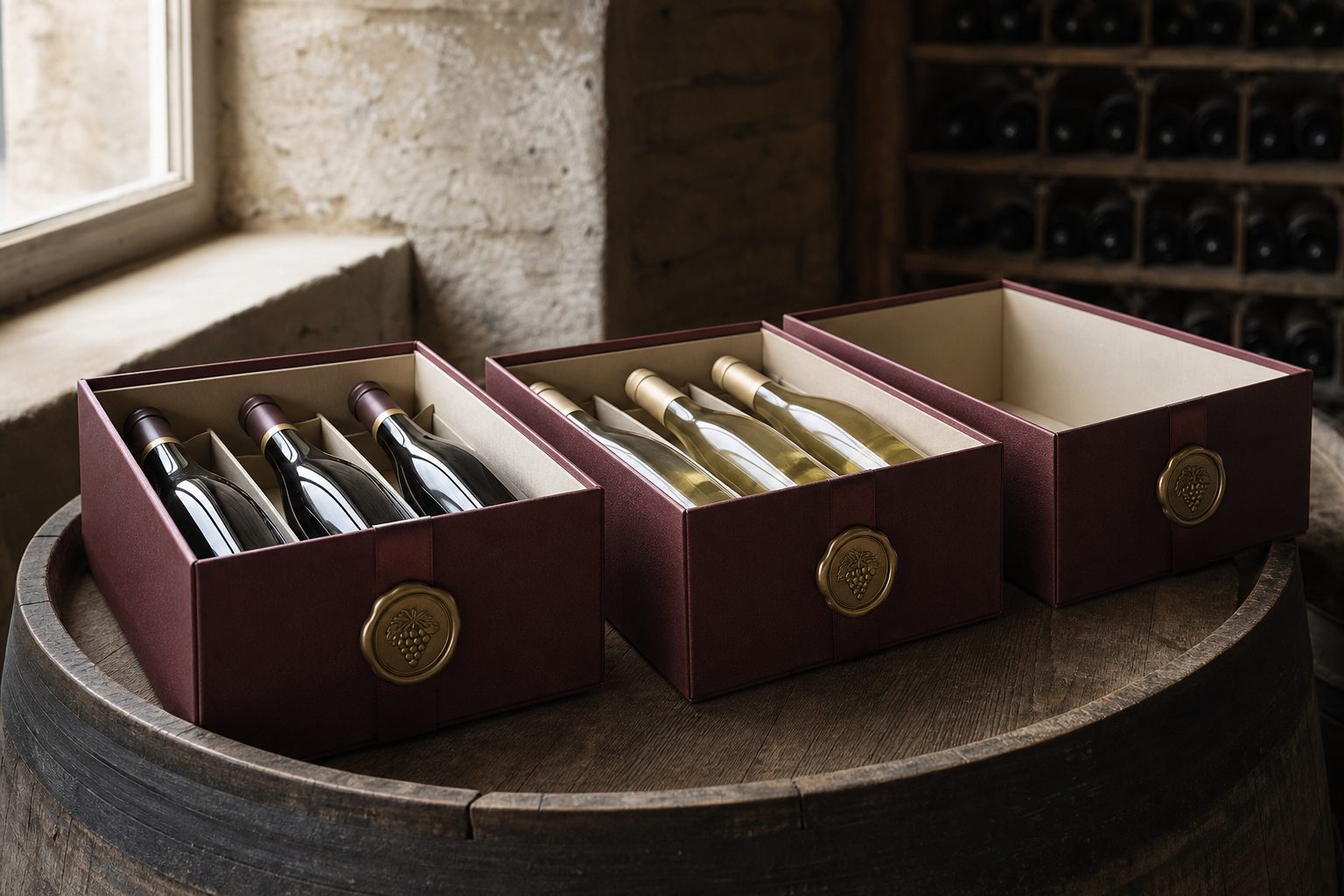
What each model asks of the member and what it asks of you
Wine clubs take many forms, but every model sets specific expectations for both the member and the winery. The classic fixed selection club sends pre-chosen wines at set intervals. Members sign up for a guarantee of limited choice and a steady supply, while the winery promises careful curation and straightforward fulfillment.
Member choice clubs open the door to customization, allowing members to select wines from a list for each shipment. This gives members more control but shifts significant administrative work onto the winery, especially during the selection window.
Credit and points models operate more like a wine savings account. Members pay in regularly, build up credit, and redeem it for bottles as their balance allows. Here, the winery manages an ongoing liability, while the member enjoys maximum flexibility.
Allocation clubs, often for higher-end or library wines, flip the usual script. The winery offers exclusive access to small lots and allows members to request or reserve bottles from a limited pool. The member's commitment is less predictable, and the winery's work revolves around fairness and communication.
Keep reading: Inside a Club Run: Four Days on a Winery Packing Line
Inventory planning under a fixed selection club
Fixed selection clubs offer the most reliable forecast for inventory. With every member receiving the same wines, you can plan production, bottling, and set-aside quantities months or even years ahead. This predictability reduces surprise shortages and limits overstock risk.
For example, if 400 club members are due to receive a three-bottle shipment in October, the winery knows it must reserve at least 1,200 bottles of the chosen wines, plus some for breakage or last-minute joins. This makes inventory pulls and fulfillment batchable and efficient.
The cost comes in flexibility. If a wine underperforms in tasting room sales or receives poor feedback, the club shipment locks in those bottles, leaving little room to swap. If you run short, substitutions must be made quickly and communicated clearly, which can disappoint members who joined for specific wines.
You also face a timing challenge: if harvest or bottling delays impact a featured wine, you may have to change your plan at the last minute. This is the tradeoff for the ease of forecasting.
Member choice clubs and the pick window problem
Member choice clubs cater to the wine-savvy customer who wants control. These programs typically open a "pick window," a set period where members log in or visit to customize their shipment from a list of eligible wines.
The scramble of open windows
Pick windows create a surge of activity. Staff must monitor inventory in real time, update availability, and handle member requests. If a wine sells out during the window, late-choosing members may be disappointed. This triggers extra communication and, sometimes, substitutions.
From the winery's side, tracking which member chose which wine can create a spreadsheet nightmare. Manual reconciliation between club software and inventory records is common, and the risk of errors increases with club size. Fulfillment staff now handle a batch of "snowflake" orders, each different from the next, slowing packing.
Predicting demand is harder
Because members are not required to select until the last minute, forecasting is challenging. You might know that 300 members will receive a shipment, but if 75 percent select the reserve Cabernet and only 25 percent choose the Chardonnay, you can end up short on one and overstocked on the other.
Some wineries try to limit the eligible wines per shipment or allocate quotas to each label. This adds more rules to communicate, and can lead to member frustration if their preferred wine is unavailable. The advantage is happier members when it works, but the cost is operational stress.
Keep reading: How One Winery Rebuilt Its Summer Club Shipping Window
Credit and points models and the deferred revenue they create
Credit and points clubs invite members to pay a set amount each month or quarter. The winery holds this as a credit balance or converts it to points, which can later be redeemed for wine. This model maximizes member control but brings unique accounting and fulfillment challenges.
Revenue recognition
In a fixed or choice club, revenue is recognized when wine ships. With credit models, the winery collects funds in advance, but these count as deferred revenue until the wine is fulfilled. This means carrying a liability on your books and tracking balances carefully.
If a member accumulates credit but does not redeem it, the liability grows. Wineries must track these balances and may need to set expiration policies, which can lead to awkward conversations. Refund requests or membership cancellations create extra steps, especially if state laws limit refund options.
Inventory and cash flow
Credit models make inventory planning less predictable. Members may redeem balances in bursts, around the holidays or when a new release drops, leaving inventory spikes and valleys. The steady cash flow from regular payments is appealing, but only if managed against the risk of a large redemption event.
These models also attract the collector or occasional buyer, rather than the regular drinker. This can change the nature of your club community and affect tasting room engagement.
Allocation clubs for library wines and small lots
Allocation clubs are the tool of choice for wineries with limited production runs, sought-after library wines, or single-vineyard bottlings. Membership secures a slot on a waiting list or the right to request a set allocation.
Managing scarcity and expectations
The winery must balance fairness with loyalty. Some offer first-come, first-served pick windows, while others allocate based on purchase history or seniority. This creates a sense of exclusivity but can also lead to disappointment if a member's allocation is cut or a wine sells out instantly.
Inventory planning is tightly bound to the allocation process. The winery decides how many bottles each member may request, often before finalizing case production. Once allocations are set, the fulfillment team pulls specific bottles and packs highly individualized shipments.
The workflow is complex, but the payoff is higher margins and loyalty among collectors. The risk is frustration if communication falters or expectations are not managed. These clubs also require robust systems for compliance, as allocations can cross state lines and trigger unique shipping restrictions.
See how CellarShip handles this for wineries
Retention, churn, and how each model changes the cancellation conversation
Retention rates and churn drivers differ by club model. Fixed selection clubs are vulnerable when a member dislikes two or three shipments in a row. The "take what you get" approach can work for the highly engaged but may lose casual drinkers who want more say.
Member choice clubs reduce churn by allowing members to skip unwanted wines, but the pick window can backfire. Members who miss the window may receive a default selection, leading to frustration and, sometimes, a quick exit.
Credit and points models generally see longer retention because the member can redeem at will. However, breakage, credit that is never redeemed, creates a hidden liability. If a member leaves without spending their balance, you may owe a refund, which can erode goodwill.
Allocation clubs see the lowest churn, but only among those who value scarcity and exclusivity. The waiting list and annual renewal process weed out the less committed and create a self-reinforcing community. However, if allocations shrink or skip a year, even loyal members may move on.
The cancellation conversation is shaped by these mechanics. Fixed clubs may offer a pause or skip, while choice and credit clubs must be ready to handle complex refund or rollover requests. Allocation clubs rely on waitlist pressure to reduce churn but must deliver value every year to keep attrition low.
Fulfillment and compliance workload compared model by model
Fulfillment is simplest under the fixed selection model. Every box is the same, so picking and packing are assembly line work. State compliance is a batch process: you check age, address, and destination rules for a single SKU set. This keeps errors low and speeds shipping.
Member choice and allocation clubs create a maze of unique boxes. Each shipment must be checked against state-by-state restrictions, as some wines may not be legal in every destination. The picking list is unique for every member, so fulfillment staff need training and close coordination with club management software.
Credit and points models add another twist: shipments may be ad hoc, triggered by member redemption at any time. This creates a steady trickle of small, one-off shipments, spreading out compliance checks and increasing the risk of error. It also means more touchpoints with the carrier and more room for mistakes in address validation or vintage substitution.
All models require robust reporting and audit trails. However, the more customized the shipments, the more your staff must rely on flexible software to prevent compliance failures and shipping errors.
Matching the model to your case production and staffing
The best wine club model is the one that matches your winery's size, staffing, and wine portfolio.
Small production wineries with a loyal following and limited lots may gravitate toward allocation or choice clubs, where exclusivity and customization matter more than volume. These models demand more from your fulfillment and administrative teams, so staffing must be steady and cross-trained.
Larger wineries aiming for volume and efficiency often choose fixed selection clubs. The scale and predictability fit automated fulfillment and simplify inventory management. However, these clubs need a steady pipeline of wines that appeal to most members.
Credit and points clubs are best for wineries with a wide portfolio and members who value flexibility. They work well if your tasting room is a major sales channel, as members can redeem credits in person or online. The tradeoff is more complex administration and a need for tight accounting controls.
Matching club model to production and staffing prevents bottlenecks at fulfillment and builds a club that sustains itself year after year. The right club management platform can support these choices, handling member selections, allocation requests, shipment holds, and compliance checks so that your staff can focus on wine and hospitality instead of paperwork.
Read also
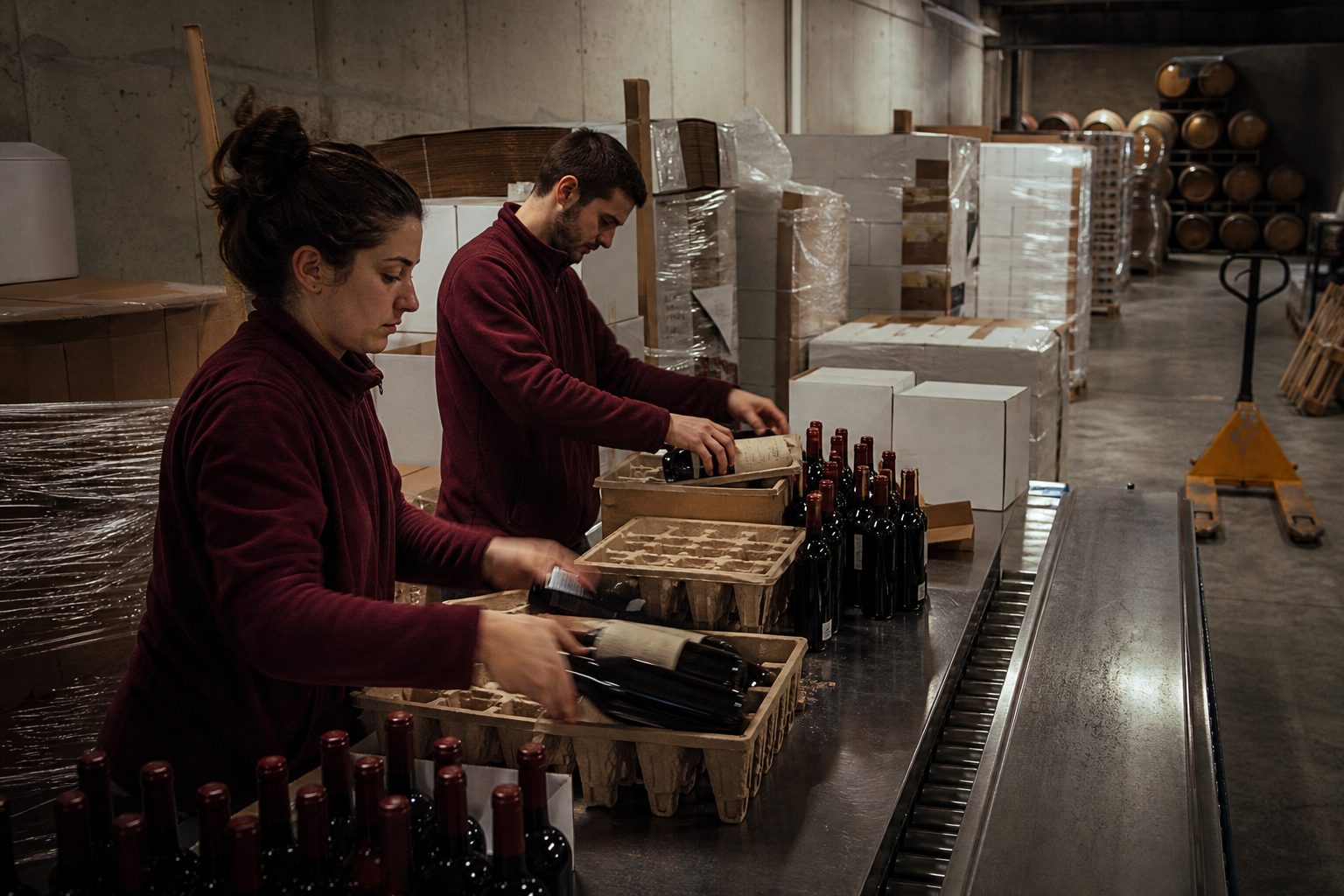
Inside a Club Run: Four Days on a Winery Packing Line
Four days inside a club run, from the Monday pick list to the last carrier manifest of the week, including the exception cart where refusals, breakage, and address rewrites quietly pile up.

How One Winery Rebuilt Its Summer Club Shipping Window
A July heat wave, a weekend spent in a hot trailer, and a run of cooked bottles. How one estate rebuilt its ship days, its hold triggers, and its member notices before the next summer run.

DTC Wine Shipping in the Next Five Years: What to Watch
State direct shipping bills, retailer shipping litigation, carrier surcharges, and a generation drinking less. What a small winery should decide this year and what it can safely leave alone.